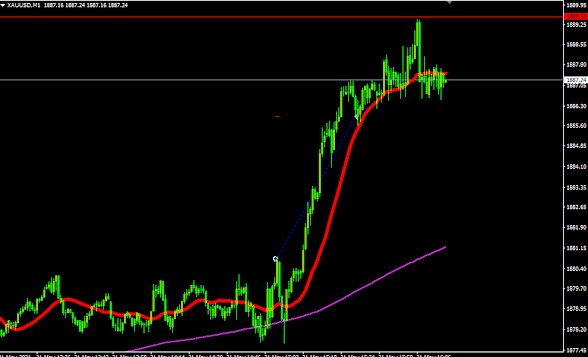
Please be careful that the first breakout is always fake breakout. And the second one is true.
That is scareful.
1) Trend
2)Area of value
3)in the same time frame, find the reversals
4) down one time frame, find the reversals
5)down one time frame, find the breakouts
Why does smoking cause high blood pressure? At present, it is believed that it is mainly caused by nicotine, a highly toxic substance in tobacco. Nicotine can stimulate the heart and adrenal gland to release a large amount of catecholamine, make the heart beat faster, vasoconstriction, blood pressure rise. Some scholars have found that smoking an ordinary cigarette can increase the systolic blood pressure by 1.3-3.3kpa (10-30mmhg). Smoking a large amount of cigarettes for a long time, that is to say, smoking 30-40 cigarettes a day can cause the continuous contraction of small arteries. Over time, the smooth muscle of small artery wall degenerates, the intima of blood vessels gradually thickens and arteriosclerosis forms. Smoking also has an impact on blood lipid metabolism, can make blood cholesterol, low-density lipoprotein increased, high-density lipoprotein decreased, therefore, the process of atherosclerosis is accelerated, prone to rapid malignant hypertension, subarachnoid hemorrhage and coronary heart disease, myocardial infarction, etc., in addition, there are data show that smoking habits in patients with hypertension, due to reduced sensitivity to antihypertensive drugs Low, antihypertensive treatment is not easy to obtain satisfactory results, and even have to increase the dose.
It can be seen that smoking has a great influence on high blood pressure. Therefore, it is advised that smokers, especially patients with high blood pressure, should give up this bad habit in time.
Every patient with hypertension should initially master the basic knowledge of judging the severity of the disease, which is very helpful to improve the cure rate and prognosis. Regular monitoring of blood pressure to understand the changes in blood pressure, do a healthy physical examination is necessary
According to the stage, hypertension can be divided into three stages. The first stage refers to those who have reached the level of diagnosis of hypertension and have no clinical manifestations of heart, brain and kidney complications. The second stage refers to those who have reached the level of confirmed hypertension and have one of the following items: 1. Physical examination, X-ray, ECG or ultrasound examination show left ventricular hypertrophy; 2. Fundus examination show fundus artery narrowing; 3. Proteinuria and (or) elevated plasma creatinine concentration. The third stage refers to those whose blood pressure reaches the level of confirmed hypertension and has one of the following items: 1. Cerebrovascular accident or hypertensive encephalopathy; 2. Left heart failure; 3. Renal failure; 4. Fundus hemorrhage, exudation or papilledema. In the first stage, the disease was mild without organic injury; in the second stage, the disease was severe with organic injury, but its function was normal; in the third stage, the organ function was decompensated, indicating that the disease was serious.
Look at the diastolic blood pressure
Mild: diastolic blood pressure was 95-104mmhg
Moderate: diastolic blood pressure was 105-114mmhg
Severe: diastolic blood pressure > 115mmhg
According to the course of disease, therefore, the general course of disease less than 10 years (except for a small number of acute type) can be regarded as mild, if the disease is more than 20 years, the disease is more serious, especially found late diagnosis, has not been reasonable treatment.
Looking at the family history, if the patient's lineal blood relatives (especially parents and siblings) suffer from hypertension and die of stroke or other complications of hypertension in middle age or before middle age, they should be particularly vigilant.
If hypertension patients have coronary heart disease, diabetes, hyperlipidemia, hyperuricemia and other diseases, it can accelerate the development of the disease, make the damage of important organs more obvious, and affect the choice of drugs for the treatment of hypertension, so it should be taken seriously. Under the guidance of the doctor, if the antihypertensive effect is still not ideal after the correct application of antihypertensive drugs, the blood pressure remains high, or sometimes high and low, and the blood pressure fluctuates greatly, this situation is prone to accidents, so we should take it seriously and ask the doctor to find out the reasons and adjust the drugs, so as to achieve satisfactory curative effect.
Hypertension should be paid attention to from the daily drops, and the people should take food as the day. Therefore, we should pay attention to the prevention and treatment of hypertension from the basic point of view:
1. Three meals
The diet should be arranged with a small amount of meals to avoid overeating; the patients with hypertension are often obese, and they must eat low-energy food. The total heat should be controlled at about 8.36 megajoules per day, the main food is 150-250 g a day, and animal protein and plant protein account for 50%. If there is no kidney disease or gout disease, the patients with hypertension may eat more soybean, peanut, black fungus or white fungus and fruit. Dinner should be less and light, and excessive greasy food can cause stroke. Edible oil should be made of vitamin E and linoleic acid; no sweet food. Eat more high cellulose foods, such as bamboo shoots, vegetables, cabbage, winter melon, tomato, eggplant, bean sprouts, jellyfish, kelp, onion, etc., as well as a small amount of fish, shrimp, poultry meat, skimmed milk powder, egg white, etc.
2. low salt
The amount of salt per person per day should be strictly controlled at 2-5g, or about a spoon. The salt content should also be reduced from the sodium contained in the cooking soy sauce, which is equivalent to 1 g of salt in 3 ml. Salty (sauce) vegetables, carrion, salted meat (eggs), pickled products, clam shellfish, shrimp, egg, and chrysanthemum, grass head, cabbage and other vegetables contain higher sodium, so they should be eaten as little as possible or not.
3. high potassium
Potassium rich food can be used to resist the pressure and vascular damage caused by sodium, and can be used in recipes. Such foods include beans, mushrooms, dates, almonds, walnuts, peanuts, potatoes, bamboo shoots, lean meat, fish, poultry meat, rhizome vegetables such as amaranth, rape and scallion, and fruits such as bananas, dates, peaches, oranges, etc. Fish are preferred for any type of hypertension, because epidemiological studies have found that the mortality rate of heart disease is significantly lower in those who eat fish once a week than those who do not.
4. fruits and vegetables
Every day, the body needs B vitamins and vitamin C, which can be satisfied by eating more fresh vegetables and fruits. Some people advocate that eating 1-2 apples a day is good for health. Fruits can also supplement calcium, potassium, iron and magnesium.
5. calcium supplement
People had hypertension take 1g of calcium a day and blood pressure was found to drop after eight weeks. Therefore, we should eat more calcium rich foods, such as soybeans, sunflower seeds, walnuts, milk, peanuts, fish and shrimp, red dates, fresh mustard, garlic seedlings, and purple vegetables.
6. iron mending
The results show that iron in the plasma of elderly patients with hypertension is lower than normal, so eating more iron rich foods such as peas and auricles can not only reduce blood pressure, but also prevent anemia in the elderly
7. drinking water
The natural mineral water contains the essential trace elements such as lithium, strontium, zinc, selenium and iodine. The boiled water will have precipitation, which will reduce the calcium, magnesium, iron and zinc which are beneficial to human body, so it is suitable for drinking water that meets the standard. Tea contains tea polyphenols, and the content of green tea is higher than that of black tea. It can prevent vitamin C oxidation, help the use of vitamin C in vivo, and eliminate harmful chromium ions. In addition, it also contains trace elements such as potassium, calcium, magnesium, zinc, fluorine, etc. Therefore, it is beneficial to human body to use 4-6 g tea (equivalent to 2-3 cups of bag tea) every day to brew and take it for a long time.
Above diet principle, hypertension patients if they can be implemented, persevered, will be beneficial to health.
Breastfed infants prevent high blood pressure, which is lower in adults than in bottle fed infants. This means that they are at relatively reduced risk of heart disease, which is known as the number one killer in developed countries.
For a three-month-old, breastfeeding baby, his systolic pressure will drop by 0.2 percent. However, the time of breastfeeding had no significant effect on diastolic pressure of the heart.
"Although blood pressure has dropped only a little bit, it may be important for public health," experts said. The systolic pressure of the heart is reduced by 1 percentage point and the mortality rate due to various reasons will be reduced by 1.5% People with lower blood pressure are less at risk of heart disease, stroke, kidney disease and other related diseases. There are other benefits of breastfeeding, such as the fact that babies are not prone to obesity, are less likely to have behavioral problems, and are different intellectually from other babies. Therefore, experts suggest that all mothers should try to breastfed their babies in the first year, and if possible, the following year.
Experts believe that the nutritional components in human milk may be the main cause of blood pressure reduction. Breastfed children absorb relatively little sodium, which can affect blood pressure. In addition, there are more unsaturated fatty acids in breast milk, which can affect the development of blood vessels in infants. Experts point out that obesity is also related to hypertension, obesity also promotes the production of insulin antibodies, and it is easy to cause diabetes in adulthood.
Experts conducted a long-term follow-up study of 4763 children, and found that breastfed children grew up with lower blood pressure than those who grew up on milk powder. Despite factors such as the education level of mothers, socio-economic status and birth weight, experts still found that breastfed children were less likely to have high blood pressure.
Women's parties often hear their complaints about their husband snoring. In fact, snoring is not only for men, but also for women. The latest research report points out that women who are slim, hate smoking and have a normal life will have latent high blood pressure and heart disease if they snore regularly.
40% of middle-aged men and 30% of middle-aged women snore frequently. Due to unknown reasons, the air supply is not smooth enough, resulting in respiratory tract stenosis, lack of oxygen in brain and body, low sleep quality and other problems. In the long run, it will not only affect the individual's sleep, but also cause the sequelae such as inattention, poor work efficiency, and even harm health.
The researchers tracked and interviewed tens of thousands of middle-aged women. Data show that people who are overweight, old and have smoking habits will certainly have snoring problems, but young, slim and non-smoking women will also have snoring symptoms. What's more worrying is that women's snoring sounds high blood pressure, but they don't know that there is a potential correlation between snoring and high blood pressure. Therefore, once you find that your partner has snoring problems, you should not be careless. You should accompany her to the hospital as soon as possible to find out the chronic diseases that hurt her body, so as to cure snoring thoroughly.
Having high blood pressure, reasonable exercise is essential
1. take a walk. All kinds of hypertension patients can be used. After a long walk, diastolic pressure can be decreased obviously and symptoms can be improved accordingly. Walking can be carried out in the morning, evening or before sleeping. The time is generally 15-50 minutes, once a day, and the speed can be determined by the physical condition of each person. It is a simple and easy exercise method to go for a walk in the fresh air area.
2. jogging or long run. Jogging and long-distance running are more exercise than walking, and are suitable for patients with light illness. The highest heart rate of patients with hypertension can reach 120-136 times per minute when jogging. Long-term exercise can make blood pressure steadily decrease, pulse is stable, digestive function is enhanced and symptoms are reduced. Running time can be increased gradually from less to 15-30 minutes. Slow down, don't run fast. If you have coronary heart disease, you should not run long, so as to avoid accidents.
3. Taijiquan. It is suitable for patients with hypertension in all stages. Taijiquan has a significant effect on the prevention and treatment of hypertension. According to the survey in Beijing, the average blood pressure of the elderly aged 50-89 who practiced Taijiquan for a long time was 134.1/80.8 mm Hg. The results showed that the level of mercury was significantly lower than that of the same age group (154.5/82.7 mm Hg). Taijiquan is three advantages for hypertension.
First, Taijiquan is soft in action, and the relaxation of the whole body muscles can relax the blood vessels and promote the blood pressure to drop.
Second, Taijiquan with the idea guidance movement, concentrated thinking, quiet mood, helps to eliminate the mental tension factors to the human body stimulation, conducive to blood pressure drop.
Third, Taijiquan contains balanced and coordinated actions, which helps to improve the balance and coordination of the action of patients with hypertension. Taijiquan is a variety of types, with simple and complicated, and can be selected according to each individual's condition.
But when exercising, the hypertension patients should not do the action of too strong bow, too large range of body position change and forced breath holding, so as to avoid accidents. The elderly often suffer from many chronic diseases, and should be paid more attention to during physical exercise, and it is better to exercise under the guidance of doctors. Hypertension patients should not take part in winter swimming.
For patients with hypertension, the dietary requirements are very strict, especially the foods with high fat content, and should be respected. According to the research results of hypertension control in some countries in the world, some nutrition experts have proposed the method of "eating" blood pressure to the patients with hypertension
Eating 2-3 cloves of garlic a day is the easiest way to reduce blood pressure. The results showed that the average blood pressure of garlic paste was 11 mm Hg.
Melon and yogurt have a high mineral potassium content, and eating such food at breakfast helps to control blood pressure. A follow-up study of 2600 people showed that blood pressure could drop by 4 mmHg in five weeks after eating a diet containing 1 g of potassium in six days, such as a potato, a big banana or 226 grams of milk.
Orange juice is rich in vitamin C, while the higher the vitamin C content in blood, it helps to expand blood vessels, and the lower the arterial blood pressure. Therefore, drinking more orange juice is also beneficial to reduce blood pressure. Taking 60 mg vitamin C tablets a day, or eating more vegetables, lemons and other sour fruits, can do the same.
Experts wake you up, this article only provides some dietary suggestions for hypertension patients, but if the patients with hypertension, it is better to get medical advice!
Most of the old people have the habit of getting up early. Fresh air in the morning is conducive to the discharge of harmful substances deposited in the respiratory tract at night and promote metabolism. However, due to the degradation of organs in the elderly, if we do not pay attention to health care, getting up early may also be harmful to health. Generally, the elderly should pay attention to five measures to get up early. Especially for the elderly with high blood pressure, we suggest you pay more attention to some points
Get up slowly: do not get up immediately after waking up in the morning, because the intervertebral disc of the elderly is relatively loose. If you suddenly change from lying position to standing position, it is not only easy to sprain your back, but also may affect the nervous system. People with high blood pressure and heart disease may have accidents if they suddenly change their position. When the elderly wake up, they can stretch on the bed, stretch their limbs and joints, lie on the bed and rest for a while before getting out of bed.
Water should be warm: cold water face washing has a strong stimulation to the facial skin of the elderly. In addition to those who insist on taking a cold bath for many years and have a healthy constitution, it is better for the elderly not to wash cold water. The water temperature of face washing should be controlled at about 10-15 ℃, not too hot or too cold. The direction of the towel is best from back to front, from bottom to top. In this way, washing the face in accordance with the direction of blood flow is conducive to promoting blood circulation and delaying facial skin aging. After washing the face, wipe the face with palms of both hands until the face is hot. It can also improve blood circulation and prevent colds.
Clothing should be warm: the clothing of the elderly should be added or reduced in time according to climate change. Due to the reduced ability of the elderly to defend against diseases, they are susceptible to wind and cold when they get up early, so it is better to wear warm clothes. When you get up in summer, open the window immediately to make the air circulate. But in winter, you should get up after a while, let the body adapt to the outdoor temperature and then open the window, so as to avoid catching cold after being blown by the wind and affecting your health.
Exercise should be appropriate: after getting up early, the amount of activity should not be too large and the time should not be too long. Taijiquan, qigong, jogging, unarmed exercise and other soft and slow activities are most suitable for the elderly to get up early. Activities should be a little faster heartbeat, a little shortness of breath for the degree, must not be able to show off. Avoid excessive movement that is fast, rotating or lowering your head. For the elderly with emphysema, arteriosclerosis, coronary heart disease, diabetes and other diseases, it is better to take a walk, and it is not suitable to walk too far away from home to avoid accidents.
Tea should be light: some old people like to get up early and drink a cup of strong tea slowly. This habit is actually not good for their health. In the morning, the stomach is basically empty. Drinking strong tea on an empty stomach will not only cause gastrointestinal discomfort, loss of appetite, but also damage the normal function of the nervous system. Therefore, it is generally not suitable to drink strong tea in the morning. When the old people drink tea in the morning, they can pour the first course of tea and drink the second course of tea. If you can add a little sugar and the right amount of white chrysanthemum in the tea, it will be better. Hypertension elderly can get up in the morning to drink water
Hypertension is a common disease in the elderly. Besides the drug treatment, the patients can also play a good role in auxiliary treatment by drinking tea with traditional Chinese medicine.
Hawthorn tea: Hawthorn contains ingredients that can help digest, expand blood vessels, reduce blood sugar and reduce blood pressure. At the same time, hawthorn tea is often used, which has obvious auxiliary effect on the treatment of hypertension. The drinking method is to drink 1-2 fresh hawthorn fruit in a few times a day.
Chrysanthemum tea: all chrysanthemums should be chamomile, which has no bitter taste, especially the big white chrysanthemum or small chrysanthemum produced in the Suzhou Hangzhou area is the best. It is used to make tea about 3 grams each time, and it can be drunk three times a day. It can also be used to add honeysuckle and licorice to the same time for tea drinking. It has the effects of clearing liver and clearing the eyes and detoxifying heat. It has significant effect on hypertension and arteriosclerosis.
Lotus leaf tea: the practice of traditional Chinese medicine shows that the extract and decoction of lotus leaf have the effects of expanding blood vessels, clearing heat and relieving heat and reducing blood pressure. At the same time, lotus leaves are also a good medicine for fat reduction and fertilizer reduction. The drinking method of hypertension treatment is: wash and cut half of lotus leaves, add appropriate amount of water, boil and put the tea of cool offspring for drinking.
Sophora flower tea: after the buds of the Sophora tree are picked and dried, soaked in boiled water, they are used as tea for drinking several times a day, which has a unique therapeutic effect on hypertension patients. At the same time, sophora flower also has the function of constricting blood vessels and hemostasis.
Shouwu tea: it has the effect of reducing blood lipid and reducing thrombosis. If the blood lipid is increased, the effect of drinking Shouwu tea is very obvious. The method is to take 20-30g of the head black, add water to boil for 30 minutes, and drink it when it is warm and cool, and drink it every day.
Lotus seed heart tea: the so-called lotus seed heart refers to the green green embryo in the middle of the lotus seed, which tastes very bitter, but it has excellent effect of reducing blood pressure and removing fat. Use 12 grams of lotus heart, boiling water to brew tea for future generations. Drink it once a day, morning and night. Besides reducing blood pressure, it also has the special effects of clearing heat, calming mind and strengthening heart.
Cassia cassia tea: Cassia Cassia has the functions of lowering blood pressure, lowering blood lipid, clearing liver and bright eyes. Drinking cassia seed tea often has the effect of treating hypertension. It is a good product for treating hypertension, dizziness and unclear vision by drinking 15-20 g cassia seed in water for tea several times a day.
Corn mustard tea: corn whisker not only has a good effect of reducing blood pressure, but also has the efficacy of stopping diarrhea, hemostasis, diuresis and nourishing stomach. Make tea several times a day, 25-30 g each time. In clinical application corn whisker treatment for edema and hypertension caused by nephritis is particularly obvious.
Pueraria tea: Pueraria has the effect of improving blood circulation in the brain, and has a better effect on relieving headache, dizziness, tinnitus and lumbago leg pain caused by hypertension. Regular drinking of Pueraria tea has obvious effect on hypertension. The method of making it is to wash and slice Pueraria, 30g a day, add water and boil it to boil, and then drink it when tea is consumed.
Mulberry parasitic tea: Chinese herbal medicine mulberry parasitism is essential for tonifying kidney and blood. The clinical results of traditional Chinese medicine show that the use of San parasitic Decoction for tea has a significant auxiliary effect on the treatment of hypertension. The method of making mulberry parasitic tea is to take 15 grams of dried mulberry parasitic products, cook for 15 minutes, and drink it once a day, morning and evening.
Clinical practice and research have proved that taking propolis, which is rich in flavonoids and has strong antioxidant effect, can not only reduce the harm of lipid peroxide to blood vessels and prevent vascular sclerosis, but also effectively reduce triglyceride content, reduce platelet aggregation and improve microcirculation, so as to reduce high blood pressure, which has therapeutic effect on patients with hypertension.
Nikolov et al. Reported clinical observation on 100 million patients with hypertension. The patients were 45-72 years old and had a history of 4-15 years. They belonged to stage II and III hypertension. They took 30% propolis ethanol extract, 40 drops each time, three times a day, one hour before meals. After 20 days, the main symptoms of 37 patients (88%) were significantly improved, headache, dizziness and tinnitus disappeared, no precordial pain was found, and the heart function was improved Palpitation and pressure were relieved in 5 cases. Among them, 35 cases (83.4%) had decreased blood pressure, systolic blood pressure decreased by 20-40 mmHg on average, diastolic blood pressure decreased by 10 mmHg on average.
When blood flows in blood vessels, it puts pressure on the wall of blood vessels, which is called blood pressure. It includes systolic pressure and diastolic pressure: systolic pressure refers to the pressure of blood on the wall of blood vessels when the heart is contracting; diastolic pressure refers to the pressure of blood on the wall of blood vessels when the heart is relaxing. Many factors will make blood pressure rise, reaching a certain standard is hypertension. The harm of hypertension lies in the damage to the heart, brain, kidney and other important organs of patients, resulting in serious lesions, and even stroke, myocardial infarction, renal failure and other disability, fatal accidents. On the division of normal blood pressure and hypertension, the latest regulations of the World Health Organization are: adult systolic blood pressure < 140 mmHg and diastolic blood pressure < 90 mmHg is normal blood pressure; systolic blood pressure ≥ 140 mmHg and / or diastolic blood pressure ≥ 90 mmHg is hypertension. If your blood pressure exceeds the normal standard three times in a row (not in the same day), you may have hypertension. At this time, you should go to the hospital in time.
Hypertension is divided into primary and secondary. Secondary hypertension is caused by some specific diseases such as acute and chronic nephritis, which only accounts for a small number of patients with hypertension (about 5-10%). And we usually say hypertension refers to primary hypertension, accounting for more than 90% of patients with hypertension. The etiology of essential hypertension has not been completely clear. It is generally believed that it is related to many factors, such as heredity, bad living habits and so on. The stage of hypertension is based on the level of blood pressure and the damage of target organs (heart, brain and kidney). Recently, the sixth report of the Joint Committee on the prevention, evaluation and treatment of hypertension in the United States classified adult hypertension as follows:
Staged systolic blood pressure (high pressure) (mmHg), diastolic blood pressure (low pressure) (mmHg)
Ideal blood pressure < 120 and < 80
Normal blood pressure < 130 and < 85
Normal high limit 130-139 and / or 85-89
hypertension
Stage1 140-159 and / or 90-99
Stage 2 160-179 and / or 100-109
Stage 3 ≥ 180 and / or ≥ 110
According to the degree of damage to heart, brain and kidney, hypertension can be divided into three stages: stage I without heart, brain and kidney damage; stage II with heart, brain and kidney damage, but the function is still compensatory; stage III with cerebral hemorrhage, heart failure, renal failure, etc.
The so-called simple systolic hypertension, as the name suggests, refers to a person's diastolic blood pressure is not high, only systolic blood pressure exceeds the normal range. In March 1993, the World Health Organization re defined the standard of systolic hypertension above 21.3kpa (160mmhg) and diastolic blood pressure below 12.0kpa (90mmHg). If the systolic blood pressure is between 18.7kpa and 21.3kpa (140-160mmhg), it is called critical isolated systolic hypertension. At present, this diagnostic standard is widely used, but some diseases with increased output, such as aortic insufficiency, patent ductus arteriosus, systemic arteriovenous fistula, hyperthyroidism, severe anemia, etc., often appear simple systolic hypertension, which is not included in the scope of simple systolic hypertension. Because simple systolic hypertension occurs more in the elderly over 60 years old, so it is also called senile simple systolic hypertension, referred to as senile systolic hypertension, a small part occurs in young people with high dynamic circulation.
The incidence rate of these patients is very high. According to the sampling survey of hypertension in 30 provinces, municipalities and autonomous regions in 1993, more than 950 thousand people were investigated. The prevalence of isolated systolic hypertension was 1.25%, that is to say, 15 million of the patients with isolated systolic hypertension in the whole country, 60% of whom were elderly, about 13000000, accounting for 86.6%.
Many people don't know whether simple systolic hypertension needs treatment or not, and even mistakenly believe that high systolic blood pressure is a natural phenomenon, especially in the elderly. Is this really the case? Foreign scholars have followed up 5727 people for 20 years and found that the relationship between coronary heart disease and systolic blood pressure is significantly higher than that of diastolic blood pressure, and the relationship between stroke, left ventricular hypertrophy, congestive heart failure and systolic blood pressure is more closely than that of diastolic blood pressure. Fuwai Hospital in Beijing reported 117 cases of isolated systolic hypertension in the elderly, including 41.9% of them, 32.5% of heart failure, 28.2% of heart failure, and 57.3% of renal insufficiency. The incidence rate of hypertension was higher than that of other types of hypertension. There are also some reports that several complications of elderly hypertension, the most common in patients with systolic hypertension, especially prone to ischemic stroke. It can be seen that simple systolic hypertension must not be taken lightly.
A recent international study also pointed out that the treatment of elderly patients with simple hypertension is safe and effective, which can reduce cerebrovascular disease by 36% and cardiovascular disease by 32%. Therefore, it is suggested that simple systolic hypertension should be treated in time.
The treatment of simple systolic hypertension includes non drug treatment and drug treatment. Non drug treatment refers to life intervention measures, including regulating the law of life, reducing emotional stimulation, reducing excessive weight, limiting excessive nutrition, insisting on sports, limiting salt, quitting smoking, avoiding drinking, etc., which is an indispensable basic treatment for any patient with hypertension. The principle of drug therapy is to emphasize individualized treatment, pay attention to blood pressure fluctuation, target organ damage, complications and other risk factors. First, choose a single antihypertensive drug, start from a small dose, do not sharply reduce blood pressure, especially for the elderly, should pay special attention to, under the guidance of doctors, according to blood pressure monitoring, timely adjust the medication and dosage.
Borderline hypertension is also called borderline hypertension. Its systolic blood pressure is 18.6-21.3kpa (140-160mmhg), diastolic blood pressure is 12.0-12.6kpa (90-95mmhg). This disease is characterized by slightly higher blood pressure, no organic damage to the important organs, such as heart, brain and kidney, but it is easy to develop into hypertension. Clinical observation showed that 71.5% of borderline hypertension patients were easy to develop hypertension, while only 11.1% of normal people. The incidence of cerebral hemorrhage, cerebral thrombosis, coronary heart disease, and the mortality were similar to those of patients with hypertension, and significantly higher than those of normal people. Because it has no organic damage in the early stage, and lacks specific symptoms and signs, it is easy to be ignored. The prevention of this kind of hypertension is the same as that of general hypertension. However, the key is to control sodium intake, preferably less than 5g per day, and increase potassium intake, such as eating more fruits and vegetables. In addition, we should insist on sports and take calcium antagonists for a long time if necessary.
Hypertension can increase the risk of some cardiovascular complications, such as stroke, coronary heart disease and congestive heart failure. Effective treatment of hypertension can significantly reduce the incidence of cardiovascular events, complications and mortality. But the treatment of hypertension is a complex task, and it is also very difficult to make clear what is hypertension. In recent years, more and more evidence shows that lower blood pressure is also dangerous, which changes our understanding of optimal blood pressure.
Existing studies have shown that diastolic blood pressure is no longer the main determinant of blood pressure, systolic blood pressure and pulse pressure have replaced diastolic blood pressure as the main determinant of blood pressure. Evidence suggests that systolic blood pressure, pulse pressure and diastolic blood pressure are all part of the blood pressure characteristics of patients, and the age of patients determines the relative importance of these three measurements. Recent analysis shows that diastolic blood pressure is still the strongest predictor of cardiovascular events in people younger than 50 years old; in people younger than 60 years old, systolic blood pressure and diastolic blood pressure have the same predictive value for cardiovascular events, but ≥ Systolic pressure and pulse pressure are the most important predictors of mortality and complications of cardiovascular disease in people aged 60. In this age group, increased pulse pressure is the most important risk factor, but it is almost always accompanied by systolic hypertension. If systolic blood pressure > 120 mmHg and remains unchanged, the risk increases with the increase of pulse pressure (at this time, diastolic blood pressure decreases). In patients over 60 years old, systolic blood pressure was positively correlated with risk, while diastolic blood pressure was negatively correlated with risk. At a certain systolic blood pressure, the lower the diastolic blood pressure, the greater the risk of cardiovascular disease. The reason why diastolic blood pressure is negatively correlated with the risk of cardiovascular disease is that the physiology of cardiovascular system changes with age. From middle age, the aorta gradually becomes stiff, systolic blood pressure increases and diastolic blood pressure decreases. The parallel increase of systolic and diastolic blood pressure can reflect the increase of peripheral vascular resistance.
Prevention is the most effective way to deal with hypertension. In general, about 41% of the people whose blood pressure is higher than the normal high limit (systolic blood pressure 130-139 mmHg or diastolic blood pressure 85-89 mmHg) will develop into long-term hypertension within four years. Therefore, people with blood pressure higher than the normal high limit should also receive antihypertensive treatment.
Lifestyle change is an appropriate way to reduce the risk of blood pressure related cardiovascular events. Regular exercise (at least 3 times a week, 30 minutes each time), low-fat, high fiber diet, especially more fruits and vegetables, can reduce systolic blood pressure by 8 mmHg and diastolic blood pressure by 3 mmHg. Reducing sodium intake by 44 mmol every 24 hours can reduce diastolic blood pressure by 0.9 mmHg and systolic blood pressure by 1.7 mmHg.
The best treatment for hypertension (hot) studies have shown that although diastolic pressure drop to ≤ 80 mmHg does not further reduce the risk of cardiovascular events. However, severe cardiovascular events (myocardial infarction, stroke or death due to cardiovascular disease) did not increase, even when diastolic pressure drop reached 70 mmHg. Its clinical significance is that if active treatment of systolic hypertension leads to a decrease in diastolic blood pressure, even if the diastolic blood pressure drops to 70 mmHg is safe.
Studies have shown that systolic blood pressure should be reduced to < 150 mmHg and diastolic blood pressure should be reduced to < 90 mmHg for patients with hypertension at all stages. JNC VI suggested that most patients with stage 1 systolic hypertension should start drug therapy if the change of lifestyle can not reduce the systolic blood pressure below 140 mmHg. Patients with stage 2 and stage 3 hypertension should start drug therapy immediately. JNC IV suggested that SBP should be maintained at < 140 mmHg and DBP should be maintained at < 90 mmHg.
For patients with diabetes, blood pressure should be strictly controlled. UK Prospective Diabetes Study (UKPDS) and hot study pointed out that systolic blood pressure should be reduced to 140 mmHg and diastolic blood pressure should be reduced to 80 mmHg. Strict control of blood pressure can reduce diabetes related complications and mortality. Whether lower blood pressure is suitable for patients with type 2 diabetes remains to be further studied.
Previous studies have shown that diuretics and beta blockers can reduce the incidence of cardiovascular events and mortality in patients with diastolic hypertension. JNC Ⅳ suggests that the elderly should not use beta blockers alone, unless the comorbidity requires beta blockers. The elderly can be treated with diuretics first, and they can also choose dihydropyridine calcium antagonists for isolated systolic hypertension. The captopril prevention study (CAPPP) showed that captopril seems to be as effective in reducing the incidence of cardiovascular events as diuretics and beta blockers. However, this study also showed that captopril seems to increase the risk of stroke, while other studies have not reported that angiotensin-converting enzyme inhibitors increase the risk of stroke.
Hypertension is a common cardiovascular disease, is the number one killer of human health. So how to prevent hypertension?
The public health examination center tells you that the following nine methods can help you to reduce blood pressure more smoothly and prevent hypertension:

1. Quit smoking;
2. In order to lose weight, women with lower weight should limit their daily drinking;
3. Reduce the intake of sodium (no more than 6 grams of salt per day);
4. Increase exercise (30-40 minutes of walking and other activities every day);
5. Eat more fruits and vegetables;
6. Eat more potassium food every day (the recommended intake of potassium is 3.5G per day, about 3 bananas per day, and drink three cups of orange juice);
7. The diet contains enough calcium (about 1300mg of calcium should be taken every day);
8. Limit the intake of saturated fat;
9. Limit cholesterol intake.
Cardiovascular experts from the public health examination center remind the majority of patients with hypertension to have regular physical examination, timely understand the condition and take care of their health. In addition, for people with high blood pressure, the Center specially launched three blood pressure packages: high blood pressure meal a, high blood pressure meal C, high blood pressure meal B. in addition, there are also health care packages to facilitate your physical examination.
Because of the different types of hypertension and different stages of the development of the disease, there are different severity and complex clinical manifestations.
The clinical symptoms of early patients are often not obvious, and hypertension is only found during physical examination. The blood pressure of the first patients increased at the same time, and the fluctuation of most patients was large, and it was often affected by mental and tired factors, and could be recovered to normal range after proper rest. The common clinical symptoms are headache, dizziness, tinnitus, forgetfulness, insomnia, fatigue, palpitation and other neurological disorders. The severity of symptoms is not proportional to the level of blood pressure.
When the condition develops continuously, the blood pressure increases in the middle and late stage, and it tends to be stable in a certain range, especially the increase of diastolic pressure is more obvious. Because of the long-term spasm of the whole body fine artery and the deposition of lipid in the wall of the tube, the wall hardening can cause ischemic lesions of the heart, brain, kidney and other important organs. Due to the different degree of damage and compensatory function of these organs, in addition to the above early general symptoms, the following clinical manifestations of one or several organs can also appear.
Heart: the blood pressure increases for a long time, and the left ventricular is compensatory. When the hypertension heart disease develops further, it may lead to the insufficiency of left heart function, and even the right heart hypertrophy and right heart dysfunction.
Kidney: it is mainly because of arteriosclerosis, which gradually reduces renal function, and there are many urine and nocturia. During urine examination, there are a small amount of red blood cells, tubular type and protein, and the proportion of urine is reduced. With the development of the disease, it can eventually lead to renal failure, and azotemia or uremia.
Brain: if the cerebral vessels have sclerotic or spastic space, it often leads to cerebral ischemia and hypoxia, and produces headache, dizziness, eye flower, numbness of limbs or temporary aphasia and paralysis. The cerebral vessels can be further developed and cause stroke on the basis of the above pathology, among which cerebral hemorrhage and cerebral artery thrombosis are the most common.
Fundus: in the early stage, the small retinal artery spasm or mild and moderate sclerosis can be seen, and in the late stage, there are bleeding and exudates, and optic nerve papilla edema can be seen.
Most of the patients with hypertension are developing slowly, and they are called slow-moving (benign) hypertension.
In a few patients, sudden hypertension may occur, especially diastolic pressure lasting from 17.33 to 18.66kpa or higher. The disease develops rapidly. Due to the severe spasm of the whole body arterioles, cellulose like necrosis of the wall of multiple organs of fine arteries may occur in a short time, or elastic fibers and collagen fibers proliferate, which may cause the obstruction of the lumen and the organic lesions of the heart, brain, kidney and other organs, which may lead to the heart and kidney dysfunction and even failure. Or the hypertension, stroke, prognosis is poor, need to be actively treated or rescue. This part of the patients are clinically called acute (malignant) hypertension.
The systemic fine artery is temporarily strong convulsion, and the blood pressure rises sharply, accompanied by severe headache, dizziness, nausea, palpitation, vision disorder, even coma, convulsion, etc., which is called hypertension crisis.
If the arterioles are severe and persistent spasm, they can cause stenosis of cerebral artery, cerebral thrombosis and small embolism, cerebral blood circulation disorder, and lead to cerebral ischemia, hypoxia, brain edema and intracranial pressure increase. The clinical manifestations are sudden onset, such as high blood pressure, severe headache, dizziness, vomiting, palpitation, vision disorder, unconsciousness, coma, convulsion, temporary hemiplegia, bleeding and exudates in retinal vessels, optic nerve papilledema, unequal size and round pupil on the second side, which is called hypertensive encephalopathy.
There is a lot of evidence that hyperactivity of sympathetic nervous system is the main factor in the formation and maintenance of hypertension. The increase of sympathetic activity increased the levels of renin and noradrenaline in these patients, and the stress response of blood vessels increased, which led to the enhancement of myocardial contractility, acceleration of heart rate, increase of blood volume of the heart, and contraction and spasm of peripheral resistance arterioles, which led to the increase of blood pressure. The patients with essential hypertension have excessive pressure-up and hypotension reactions in stress and relaxation. The degree of blood pressure drop in meditation or other relaxing state of the body, and the increase of blood pressure during mental calculation or emotional excitement are higher than that of normal people. These phenomena verify why the patients with hypertension often have tragedy on mahjong table and why the patients with hypertension are more grumpy than normal people. A large population survey found that the incidence rate of hypertension in city was significantly higher than that in rural area. During the World Cup football match, the rate of visiting patients with hypertension was significantly higher than usual, indicating that adverse environmental factors and stress reactions could also raise blood pressure. Stress plays a role in the sympathetic nervous system. Some antihypertensive drugs achieve the goal of reducing blood pressure by inhibiting the stimulation of sympathetic nervous system.
Please be careful that the first breakout is always fake breakout. And the second one is true. That is scareful.


